

Fiber Optic Cable
Fiber Optic Cable for Reliable Fiber Network Deployment
Fiber Optic Cable is the transmission foundation of modern fiber networks, carrying high-speed data through optical fibers with low signal loss and strong resistance to electromagnetic interference.


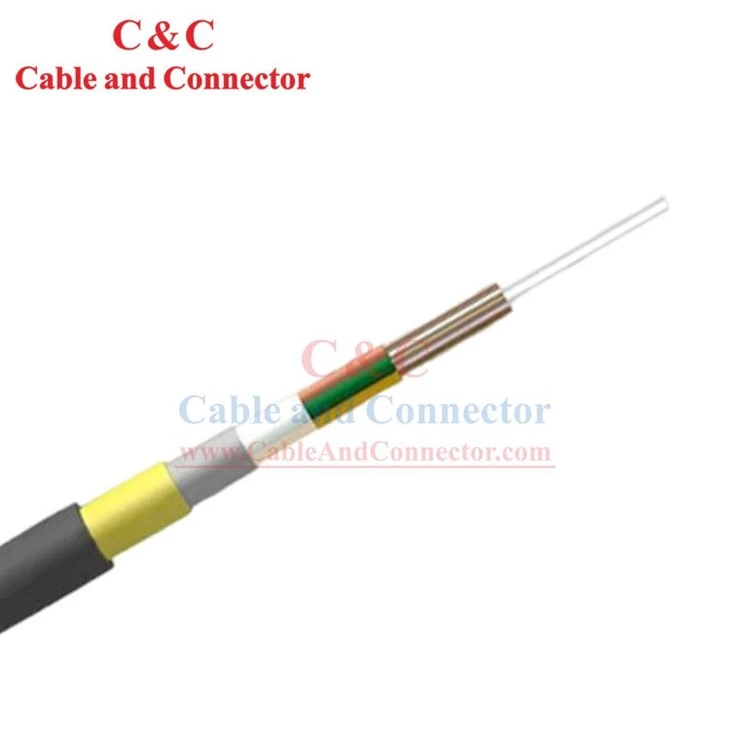
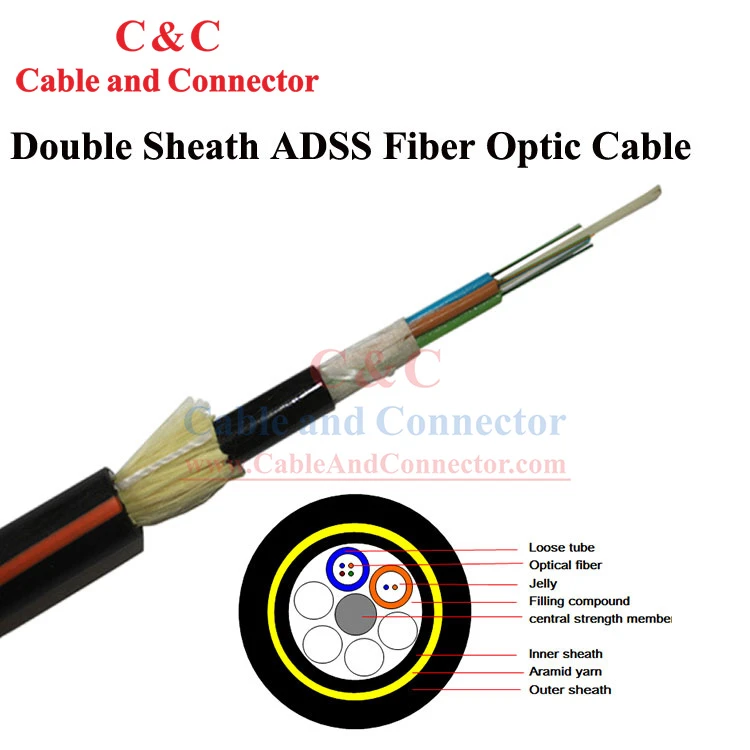
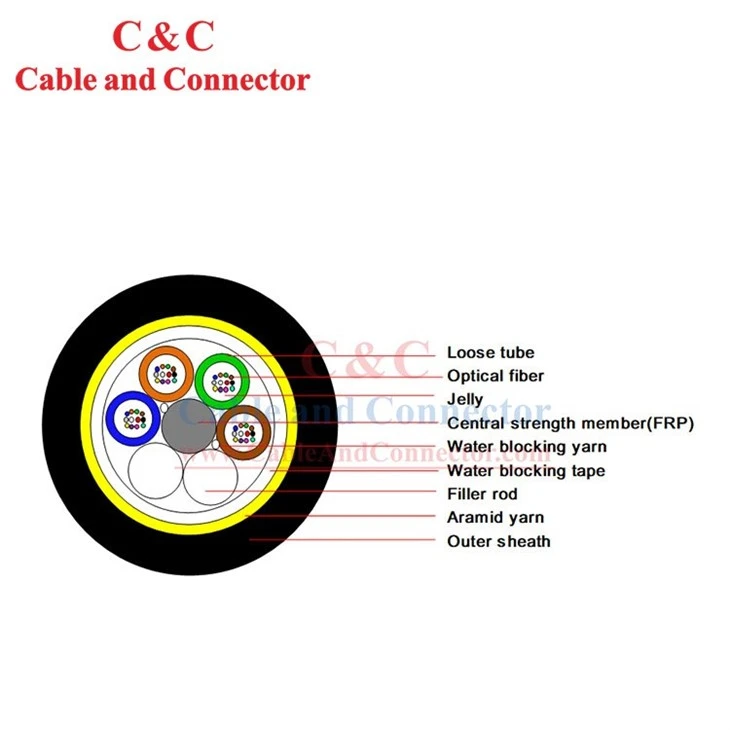
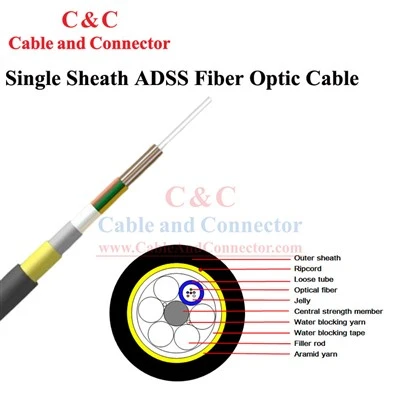
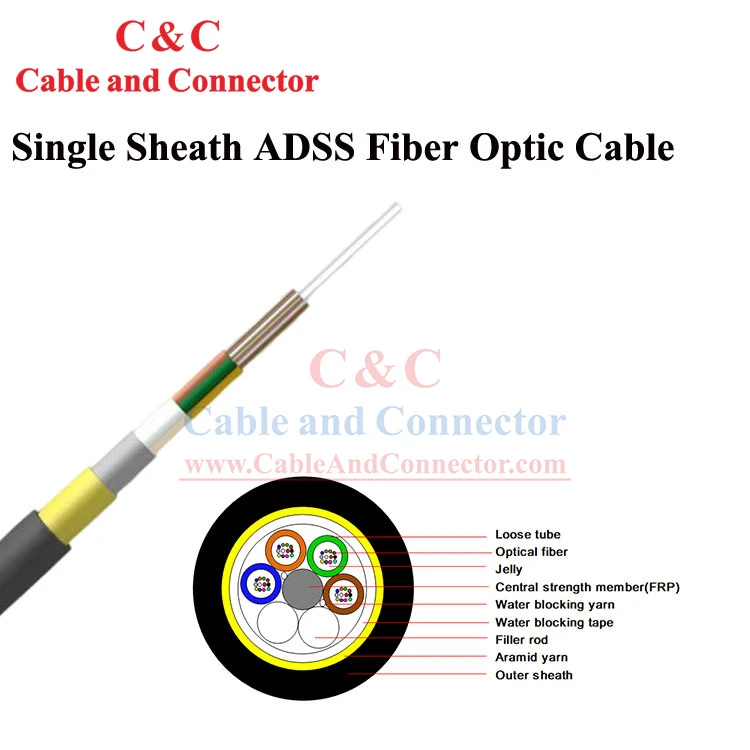
A fiber optic cable is a complete mechanical and optical system. Its construction should be evaluated according to the installation environment.
Optical Fibers:The optical fibers are responsible for transmitting data as light signals.Fiber selection should be matched to the network architecture, transmission distance and required optical performance.
Fiber Tubes:Loose-tube or other fiber-management structures protect the optical fibers and provide room for movement caused by temperature changes and mechanical loading.
Strength Members:Strength members carry part of the installation load and help protect the optical fibers from excessive tensile stress.
Outer Sheath:The outer sheath protects the cable from mechanical damage and environmental exposure.
Built for Real-World Installation Conditions
Tensile performance
Our optical cables are rated to withstand installation and operation loads, and the strain on the fibers is kept at the lowest level.
Compressive performance
We design for the ability to resist external pressure to prevent signal attenuation.
Span capacity
For overhead projects, we verify the span performance based on the optical cable structure.
We test our fiber optic cables to perform reliably across the temperature ranges encountered during storage, installation, and operation.For our reference configuration, the rated temperature ranges are:
- Operation: –40°C to +60°C
- Installation: –10°C to +60°C
- Storage / Transportation: –40°C to +60°C
These values are model-specific—not a universal spec for all our cables. For projects in extreme climates, simply let us know your required operating and installation temperature, and we will confirm the most suitable cable configuration for your conditions.
Singlemode (OS2) vs Multimode (OMx)
- OS2 (9 µm core, G.652.D, optional G.657 bend-insensitive) carries one light mode over kilometers at 1310/1550 nm — the safe choice for backbone, campus, FTTH and any uncertain future upgrade.
- OM3/OM4/OM5 (50 µm core) use cheaper VCSEL optics for short reaches: OM4 ≈550 m @10G, 100 m @100G; OM5 adds SWDM for 40/100G over fewer fibers.
Construction by route
- Indoor (distribution/tight-buffer, flexible, flame-rated);
- Outdoor duct / direct-buried (loose-tube, moisture barrier);
- Aerial (self-supporting ASU/ADSS, no messenger wire);
- Armored (steel-tape + double jacket for crush/rodent). Loose-tube outdoor cables organize fibers in color-coded buffer tubes.
Fiber Optic Cable Customization
We understand that different network operators, contractors, and distributors have unique requirements. That's why we offer flexible customization options to match your project needs:
Fiber count, type, and cable diameter
Cable structure, strength member, and jacket material
Cable color, marking, and length
Packaging and private-label requirements
Project Sample & Specification Approval
For new cable constructions or large-volume orders, sample approval helps reduce compatibility and installation risks.
Recommended process: Project Requirement → Cable Specification → Technical Confirmation → Sample → Testing → Customer Approval → Mass Production
For an existing cable replacement project, providing the current cable specification or physical sample can help match the required construction more accurately.
Why Choose Us for Fiber Optic Cable Procurement?
Established Manufacturing Capability
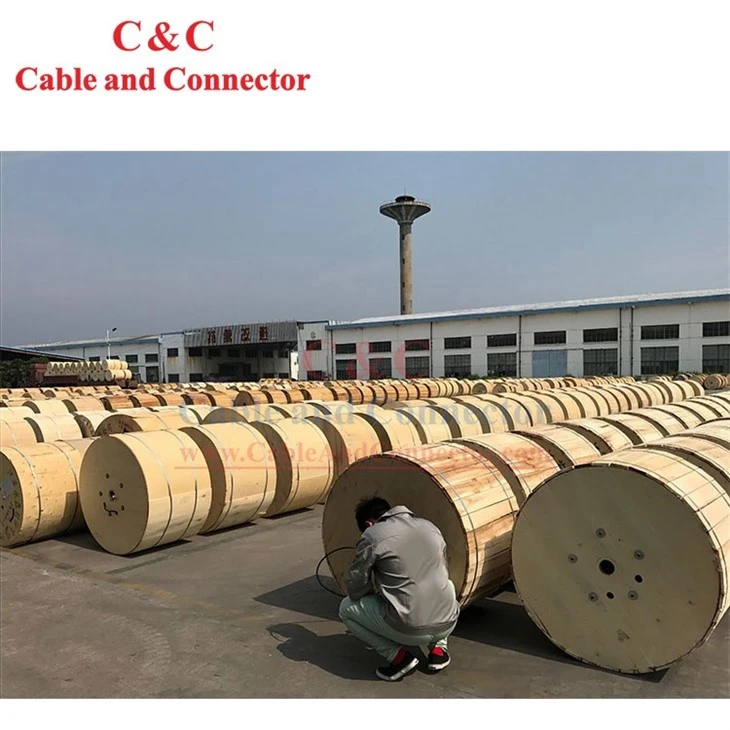
The company states that its factory covers approximately 10,000 m², with nearly 100 professional employees and 15 engineers.
Multi-Category Cable Supply
The product range covers ADSS, FTTH, indoor, outdoor, heavy-duty, TPU, ASU and armored fiber optic cable configurations, allowing buyers to source different network cable requirements from one supplier.
International Supply
The company states that its products have been supplied to markets in Europe, North America, South America, East Asia and South Asia.
Packaging & Shipping
Packaging
- Export-standard wooden drums or cable reels
- Protective end caps for cable ends
- Waterproof protection where required
- Customized drum length according to order requirements
- Drum labels with product and project information
- Palletized or container-ready packaging for bulk orders
Shipping
- Sea Freight: Suitable for large-volume cable projects
- Air Freight: Suitable for urgent samples and smaller orders
- Rail Freight: Available for selected international routes
- Road Freight: Suitable for domestic and regional delivery
Compliance & Certifications
Our production and manufacturing are carried out in accordance with international standards. Depending on the destination of use, we can provide the corresponding qualification certification materials.
- Fiber & cable standards: IEC 60793,IEC 60794-2,ISO/IEC 11801
- RoHS / REACH
- ISO 9001
FAQ
As one of the most professional fiber optic cable manufacturers and suppliers in China, we have world-leading production equipment and strong manufacturing capabilities. Please rest assured to wholesale custom made fiber optic cable at competitive price from our factory.